The Science Behind Building Better Habits
Discover the neuroscience and psychology behind habit formation and learn proven strategies to make positive changes stick.
Dr. Sarah Johnson
Behavioral Psychologist
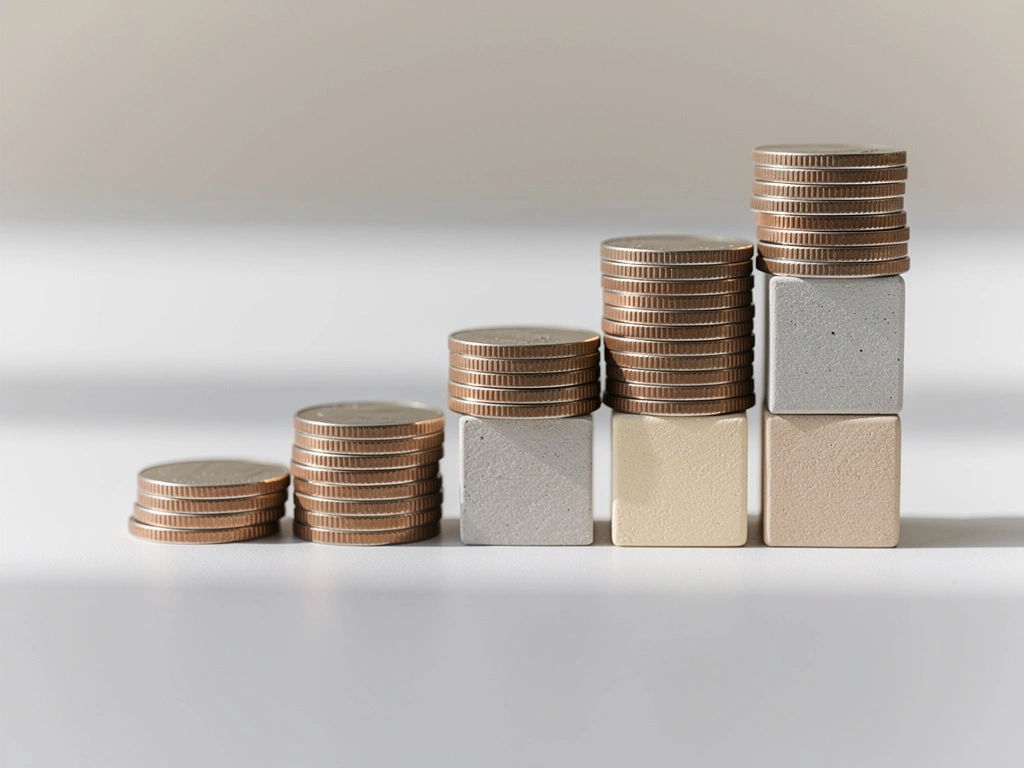
Have you ever wondered why some habits are so easy to maintain while others seem impossible to stick with? The answer lies in understanding how our brains form and maintain habits.
Key Insight: About 40% of our daily actions are driven by habits rather than conscious decisions. Understanding how habits work gives you the power to change them.
The Habit Loop: Your Brain on Autopilot
At its core, every habit follows a simple neurological pattern called the "habit loop," first identified by researchers at MIT.
🎯 The Three Components
1. The Cue (Trigger)
This is what initiates the behavior. It could be:
- A specific time of day
- An emotional state
- A particular location
- The end of another action
2. The Routine (Behavior)
The action itself. This can be:
- Physical: Going for a run, eating a snack
- Mental: Worrying, planning
- Emotional: Getting frustrated, feeling excited
3. The Reward (Benefit)
This is what you gain from completing the habit. Rewards help your brain determine whether this particular loop is worth remembering for the future.
Example: Feeling stressed (cue) → Eating chocolate (routine) → Temporary relief (reward)
Why Your Brain Loves Habits
Our brains are constantly looking for ways to save effort. When a behavior becomes automatic, we can perform it without thinking, freeing up mental resources for other tasks.
This process is called "chunking"
It's the foundation of habit formation and why you can drive home without thinking about every turn.
Research shows: About 40% of our daily actions are driven by habits rather than conscious decisions. This automation is incredibly powerful - it can work for us or against us.
5 Proven Strategies to Build Better Habits
Based on neuroscience research, here are the most effective strategies:
1Start Ridiculously Small
Research from Stanford's Behavior Design Lab shows that starting with tiny habits increases success rates dramatically.
❌ Instead of:
- "Exercise for an hour"
- "Read 30 pages daily"
- "Meditate for 20 minutes"
✅ Try:
- "Do one push-up"
- "Read one page"
- "Take three deep breaths"
Why it works: Tiny habits reduce resistance and make it almost impossible to fail. Once you start, you often do more than planned.
2Stack Your Habits
Use existing habits as cues for new ones. This technique, called "habit stacking," leverages neural pathways you've already established.
Formula: After [CURRENT HABIT], I will [NEW HABIT]
After I pour my morning coffee, I will write one sentence in my journal
After I sit down for lunch, I will text one friend
After I close my laptop for the day, I will do 10 squats
Make It Obvious
Increase the visibility of cues for good habits. Your environment shapes your behavior more than you think.
Create Immediate Rewards
Our brains prioritize immediate rewards over delayed ones. Find ways to make the habit immediately satisfying.
Track Your Progress
Visual progress is incredibly motivating. Studies show that people who track their habits are significantly more likely to stick with them.
The Identity Shift
James Clear, author of "Atomic Habits," emphasizes that the most effective way to change your behavior is to focus on who you wish to become, not what you want to achieve.
Outcome-based vs. Identity-based:
❌ Outcome-based
"I want to run a marathon"
✅ Identity-based
"I am a runner"
Ask yourself: What type of person do I want to become? Then ask: What would that type of person do in this situation?
Your Next Steps
Understanding the science behind habits gives us a roadmap for change. By working with our brain's natural tendencies rather than against them, we can build habits that truly last.