Minimalism: Less For Better Living
Discover the art of living with less—how minimalism helps you eliminate clutter, reclaim time and energy, and focus on what truly matters in life.
Lisa Anderson
Organization Specialist
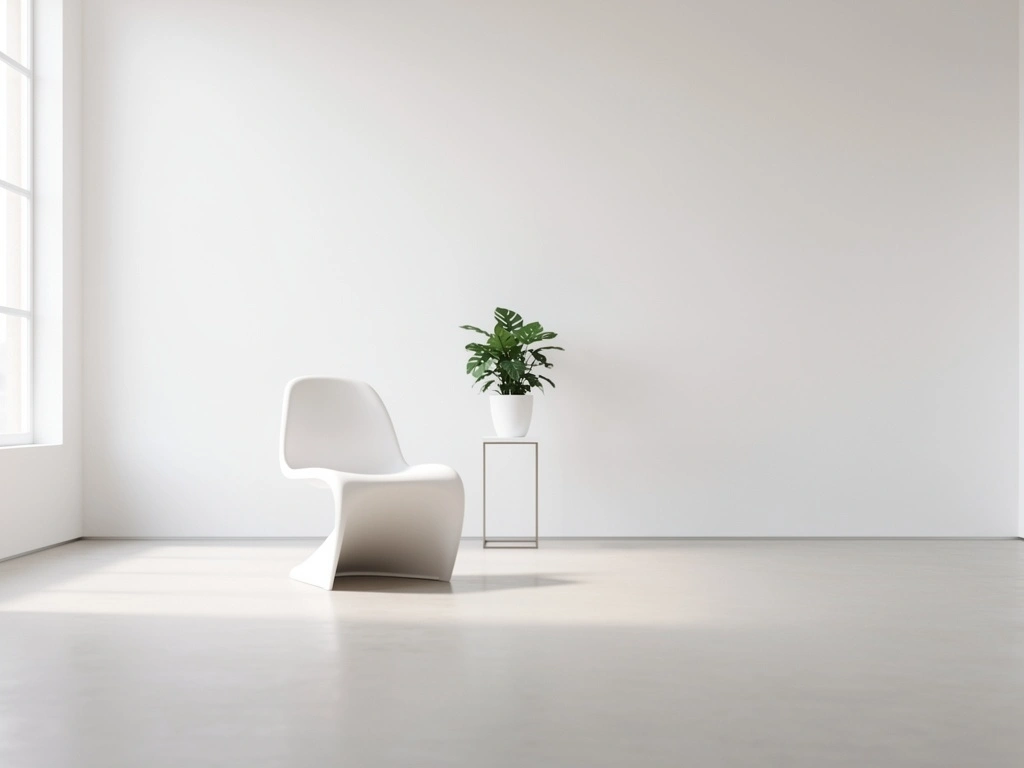
We accumulate. Objects, commitments, desires, distractions. We fill our spaces, our agendas, our minds—hoping that more will bring more satisfaction.
But often, the opposite happens: more creates noise. More weight. More fatigue.
Minimalism is not about deprivation. It's a philosophy of intentional choice: keeping only what adds value, eliminating what weighs you down, and making space for what truly matters.
"The things you own end up owning you." — Chuck Palahniuk
🌿 1. The Core Philosophy: Less Is More
Minimalism is based on a simple principle: simplicity creates freedom.
By reducing the superfluous, you create:
- •Physical space: Less clutter, clearer environment
- •Mental space: Less decision fatigue, more clarity
- •Temporal space: Less maintenance, more time for what matters
- •Emotional space: Less stress, more peace
Minimalism = Intentional subtraction to make room for what's essential
🚫 2. What Minimalism Is NOT
Let's clear up common misconceptions:
❌ Extreme Deprivation
Minimalism isn't about living with only 33 objects or sleeping on the floor. It's about keeping what serves you, not arbitrary rules.
❌ Aesthetic Trend
It's not just about white walls and empty spaces. Minimalism is a mindset, not an Instagram filter.
❌ Rejection of Pleasure
You can be minimalist and love beautiful things. It's about quality over quantity, not asceticism.
Minimalism is personal. It's about finding your own balance, not following someone else's rules.
🏡 3. The Four Areas of Minimalism
Physical Minimalism
Declutter your space: keep only objects that serve a purpose or bring you joy.
Result: Clear space, less cleaning, easier to find things
Question to ask: "Do I use this? Does it add value to my life?"
Mental Minimalism
Reduce mental noise: limit distractions, negative thoughts, and information overload.
Result: Better focus, less anxiety, clearer decisions
Question to ask: "Does this thought serve me? Is this information useful?"
Temporal Minimalism
Simplify your schedule: say no to non-essential commitments, protect your time.
Result: More free time, less stress, better presence
Question to ask: "Is this truly important? Does this align with my priorities?"
Relational Minimalism
Cultivate quality relationships: invest in deep connections, let go of toxic or draining ones.
Result: Deeper bonds, less drama, more authenticity
Question to ask: "Does this relationship nourish me? Is it reciprocal?"
🔨 4. How to Start: The Decluttering Method
You don't become minimalist overnight. Here's a simple, progressive method:
1Start Small
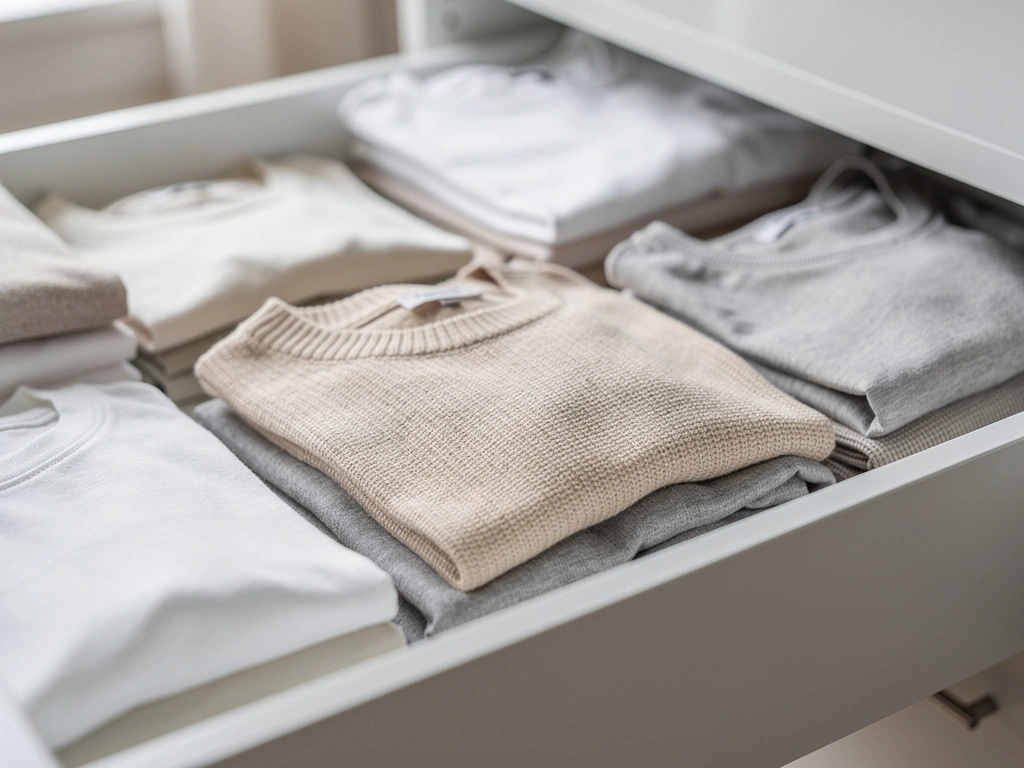
Choose one drawer, one shelf, one category (books, clothes, tech cables). Don't try to do everything at once.
2The Three-Box Method
For each object, ask:
Keep: I use it regularly or it truly brings me joy
Maybe: Not sure—put it aside for 30 days and see if you miss it
Let go: Donate, sell, or throw away
3The One In, One Out Rule
For every new object you bring in, remove one. This prevents accumulation and forces intentional choices.
4The 90/90 Rule
If you haven't used something in the last 90 days and won't use it in the next 90, let it go.
✨ 5. The Profound Benefits
🧘 Inner Peace
Less visual clutter = less mental noise. Your environment becomes calming instead of overwhelming.
⏰ More Time
Less stuff = less time spent cleaning, organizing, searching, and maintaining.
💰 Financial Freedom
You stop buying impulsively. You invest in quality, not quantity. You save money.
🎯 Better Focus
With fewer distractions, you can concentrate on what truly matters—work, relationships, passions.
🌍 Ecological Impact
Less consumption = less waste. Minimalism is naturally aligned with sustainability.
🧭 Intentionality
You become conscious of your choices. Each purchase, commitment, and relationship is deliberate.
📱 6. Digital Minimalism
Minimalism isn't just about physical objects. Your digital life can be just as cluttered.
📧Email: Inbox Zero
Unsubscribe from newsletters you never read. Keep only essential emails.
📱Apps: Only the Essentials
Delete apps you haven't used in a month. Keep your home screen minimal and intentional.
🔔Notifications: Silence the Noise
Turn off non-essential notifications. Reclaim your attention.
📂Files: Clear Your Desktop
Organize files into simple folders. Delete duplicates and old documents.
Digital minimalism = Choosing tools that serve your goals, not consuming your time.
⚠️ 7. Common Challenges (And How to Overcome Them)
🎁 "But it was a gift!"
Challenge: Emotional attachment to objects with sentimental value.
Solution: Honor the intention, not the object. The gift was the gesture, not the thing. Take a photo if needed, then let it go with gratitude.
🔮 "What if I need it someday?"
Challenge: Fear of future regret.
Solution: If you haven't used it in 6-12 months, you probably won't. And if you do, you can likely borrow, rent, or buy it again.
👨👩👧 Family Resistance
Challenge: Others in your household don't share your minimalist values.
Solution: Start with your personal spaces only. Lead by example. Share the benefits you experience without forcing your values on others.
🌿 How Guthly Supports Your Minimalist Journey
Minimalism is a continuous practice. Guthly helps you track, reflect, and stay intentional:
Decluttering Tracker
Log what you've removed, donated, or simplified. See your progress visually.
Intentional Purchase Log
Before buying, journal why you want it. Wait 30 days. Track impulse vs. intentional purchases.
Time Audit
Track how you spend time. Identify commitments to eliminate or delegate.
Gratitude for What Remains
Daily prompts to appreciate the essentials you've chosen to keep.
Minimalism Scorecard
Rate your physical, mental, temporal, and relational clutter monthly. Track improvement.
Minimalism isn't a destination—it's a practice. Guthly helps you stay intentional every day. 💙
✨ Conclusion: Freedom Through Simplicity
Minimalism is not a sacrifice. It's liberation.
Every object you remove is weight lifted. Every commitment you decline is space reclaimed. Every distraction you eliminate is clarity restored.
In a world that constantly pushes you to accumulate more, minimalism is a radical act of self-respect.
"Simplicity is the ultimate sophistication." — Leonardo da Vinci
When you choose less, you make room for more:
- •More peace
- •More time
- •More focus
- •More freedom
Start today. Choose one small area. Let go of one thing. And watch how simplicity transforms your life, one intentional choice at a time. 🌿