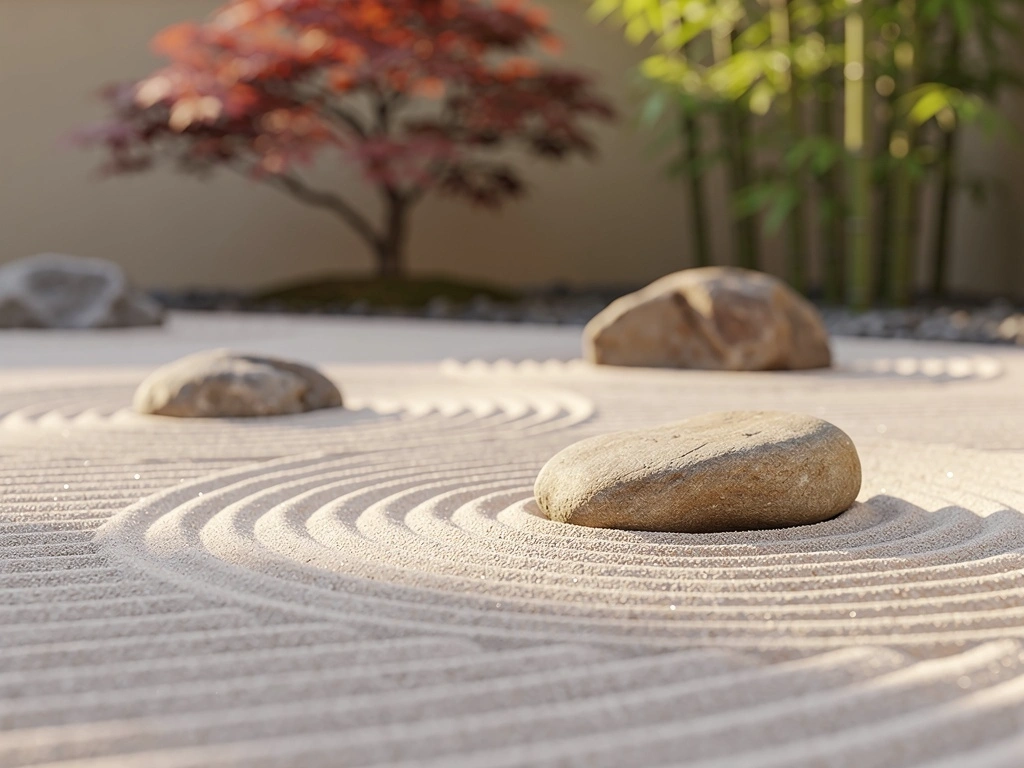
Wabi-Sabi: The Beauty of Imperfection
Explore the Japanese aesthetic of wabi-sabi—finding beauty in imperfection, transience, and simplicity. Learn to embrace the natural cycle of growth and decay.
Yuki Tanaka
Life Purpose Coach
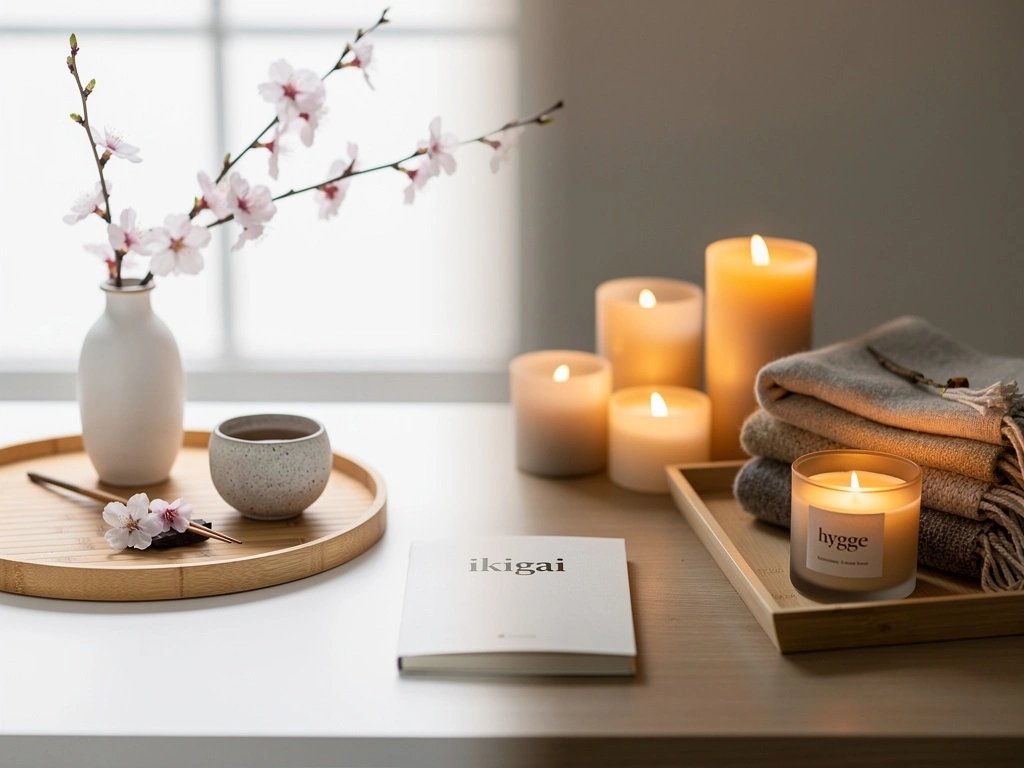
A cracked ceramic bowl. Weathered wood. The asymmetry of a hand-thrown pot. Silver hair. Laugh lines around the eyes.
In Western culture, we're taught to hide these things—to pursue perfection, youth, flawlessness. But in Japan, there's a philosophy that celebrates the opposite: Wabi-Sabi.
Wabi-sabi is the art of finding beauty in imperfection, transience, and incompleteness. It's accepting the natural cycle of growth and decay. It's honoring what is authentic, humble, and unconventional.
"Wabi-sabi is the beauty of things imperfect, impermanent, and incomplete." — Leonard Koren
🍃 1. Understanding Wabi-Sabi
Wabi-sabi is difficult to define precisely—it's more felt than explained. But we can break it into two parts:
侘 Wabi — Simplicity & Solitude
Originally meaning "poverty" or "loneliness," wabi evolved to mean the beauty found in simplicity, austerity, and a connection to nature. It's the contentment found in modest living.
Examples: A simple tea ceremony. A minimalist room with natural light. The quiet of a forest.
寂 Sabi — The Beauty of Age & Wear
Sabi means "rusted" or "weathered." It's the patina of time—the marks left by use, age, and exposure. Sabi celebrates the passage of time and the stories objects carry.
Examples: Antique furniture with scratches. Moss-covered stones. Aged leather. Faded photographs.
Together, wabi-sabi becomes a worldview: embracing impermanence, imperfection, and the natural flow of life.
🌸 2. The Seven Principles of Wabi-Sabi
🌿1. Imperfection (不完全)
Nothing is perfect, and that's okay. Cracks, asymmetry, irregularity—these add character and authenticity.
⏳2. Impermanence (無常)
All things change. Flowers wilt, paint fades, people age. Instead of resisting, wabi-sabi honors the cycle.
🪨3. Incompleteness (不完整)
Life is unfinished, evolving, open-ended. There's beauty in the unpolished, the unrefined, the in-progress.
🍂4. Simplicity (簡素)
Strip away the unnecessary. Focus on essence. Wabi-sabi is minimalist—not as deprivation, but as clarity.
🌾5. Naturalness (自然)
Materials and forms that come from nature, without artifice. Wood, stone, clay—unforced, organic, authentic.
🕊️6. Subtlety (奥ゆかしさ)
Quiet beauty. Not loud or attention-seeking. Wabi-sabi whispers rather than shouts.
🧘7. Tranquility (静寂)
Inner peace. Freedom from the constant striving for perfection. Wabi-sabi is acceptance, not resistance.
✨ 3. Kintsugi: Wabi-Sabi in Action
One of the most powerful examples of wabi-sabi is kintsugi (金継ぎ)—the Japanese art of repairing broken pottery with gold.
Instead of hiding the cracks or discarding the broken piece, kintsugi highlights them, making the repair part of the object's story. The bowl becomes more beautiful for having been broken.
The Philosophy of Kintsugi
- •Scars tell a story: They're proof you lived, loved, broke, and healed.
- •Brokenness adds value: The repair becomes the most precious part.
- •Nothing is wasted: Even damage can become beauty.
- •Transformation is possible: What was broken can become whole again—differently, but whole.
Kintsugi reminds us: we are not ruined by our wounds. We are made more beautiful by how we heal.
🏡 4. How to Live Wabi-Sabi
🏠 In Your Space
- • Choose natural materials: wood, stone, linen, ceramic
- • Embrace worn furniture—don't hide scratches or patina
- • Display handmade, imperfect objects rather than mass-produced perfection
- • Let light and shadow play naturally—no harsh, artificial brightness
- • Keep spaces uncluttered but not sterile—room to breathe
🌱 In Your Mindset
- • Stop chasing perfection—it doesn't exist
- • Accept aging (yours and others') as natural and beautiful
- • See mistakes as teachers, not failures
- • Find beauty in the ordinary, the overlooked, the simple
- • Let go of what no longer serves—accept impermanence
👤 In Yourself
- • Honor your scars—physical and emotional
- • Stop hiding your flaws—they make you real
- • Practice self-compassion when you "break"
- • Appreciate the phases of your life, including the difficult ones
- • Recognize that you are always a work in progress
⚖️ 5. Wabi-Sabi vs. Perfectionism
❌ Perfectionism
- "I must be flawless."
- "Mistakes mean I'm worthless."
- "Aging is something to fight."
- "If it's not perfect, it's not worth doing."
- Constant anxiety, never enough
✅ Wabi-Sabi
- "I am complete as I am, flaws included."
- "Mistakes are part of my story."
- "Aging is a privilege and a journey."
- "Done is better than perfect."
- Peace, acceptance, presence
Perfectionism exhausts. Wabi-sabi liberates.
🧘 6. Wabi-Sabi Practices
🍵 Tea Ceremony (Chanoyu)
Make tea slowly, mindfully. Use a simple, handmade cup. Focus on the moment, not the outcome.
🚶 Wabi-Sabi Walks
Walk slowly in nature. Notice weathered trees, moss, fallen leaves. Find beauty in decay and transformation.
✍️ Imperfect Journaling
Write without editing. Let your words be messy. Cross things out. Let imperfection live on the page.
🎨 Create Without Judgment
Paint, draw, sculpt—not to produce something "good," but to enjoy the process. Let mistakes stay.
📸 Photograph the Overlooked
Capture rust, cracks, shadows, old hands, wilted flowers. Train your eye to see wabi-sabi everywhere.
🌟 7. The Gifts of Wabi-Sabi
🕊️ Freedom from Perfectionism
You stop the exhausting pursuit of flawlessness. You can finally breathe.
💚 Self-Compassion
You treat yourself with the same kindness you'd offer a weathered, beautiful object.
👁️ Seeing Beauty Everywhere
Once you embrace wabi-sabi, the whole world becomes beautiful—not in spite of its flaws, but because of them.
☮️ Peace with Aging
Gray hair, wrinkles, slower movements—these become badges of a life fully lived, not things to erase.
🍃 How Guthly Supports Your Wabi-Sabi Practice
Wabi-sabi is about embracing imperfection. Guthly helps you practice this philosophy daily:
Imperfection Journal
Record moments where you noticed beauty in imperfection—yours or the world's.
Wabi-Sabi Photo Collection
Capture and save images of wabi-sabi moments: weathered objects, natural decay, authentic aging.
Self-Compassion Reminders
Daily prompts to practice kindness toward your own imperfections and mistakes.
Creative Imperfection Tracker
Log creative projects done without the goal of perfection—celebrate the process over the product.
Transience Reflections
Reflect on what's changing in your life and practice accepting impermanence with grace.
Wabi-sabi is a way of seeing. Guthly helps you cultivate that vision every day. 💙
✨ Conclusion: The Art of Imperfect Living
Wabi-sabi is not a decorating style or a trend. It's a radical shift in perspective.
It says: You don't need to be perfect to be valuable. Your cracks are not failures—they're proof you lived.
In a culture obsessed with youth, smoothness, and flawlessness, wabi-sabi is a quiet rebellion. It chooses authenticity over artifice. Depth over polish. Humanity over perfection.
"Wabi-sabi teaches us to embrace the beauty of the imperfect, the impermanent, and the incomplete—and in doing so, to embrace ourselves."
So the next time you notice a crack, a wrinkle, a mistake—pause. Look closer. And see if you can find the gold within it.
Because wabi-sabi reminds us: we are not broken. We are beautifully, perfectly imperfect. 🍃